Introduction
Sustainability in packaging is no longer limited to recyclable or compostable materials. Smart plastics are redefining sustainable packaging by combining environmental responsibility with advanced material functionality.
For modern food producers, exporters, and retail brands operating across Europe and the Middle East, smart plastic technologies provide measurable improvements in shelf life, logistics efficiency, and regulatory alignment.
What Are Smart Plastics?
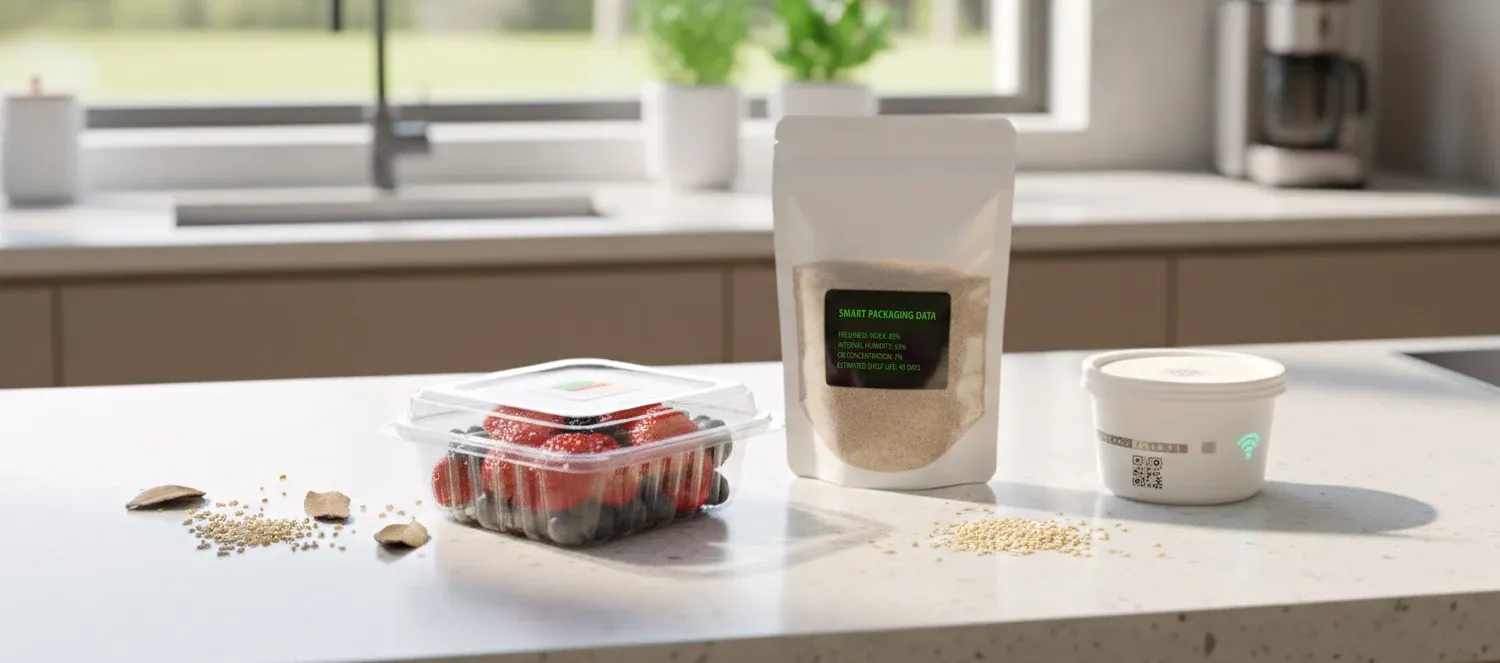
Smart plastics, also known as intelligent polymers, are advanced materials designed to respond to environmental factors such as oxygen levels, humidity, temperature, and ethylene concentration.
Unlike conventional plastic films that simply contain products, smart plastic packaging actively supports freshness control and product protection within modern supply chains.
Why Smart Plastics Matter in Sustainable Packaging
- Food Waste Reduction: Improved barrier performance reduces spoilage during storage and transport.
- Extended Shelf Life: Ideal for fresh produce export and retail distribution.
- Material Optimization: Thinner yet stronger materials reduce overall plastic usage.
- Operational Cost Efficiency: Less waste means lower disposal and logistics costs.
When integrated into smart plastics solutions, these technologies help businesses balance sustainability goals with performance demands.
Alignment with EU Packaging Regulations
European markets are rapidly evolving under frameworks such as the EU Green Deal and upcoming Packaging & Packaging Waste Regulation (PPWR).
Smart plastics contribute to compliance by:
- Supporting waste reduction targets
- Optimizing recyclability and material efficiency
- Reducing food spoilage across cross-border trade
- Integrating plant-based alternatives such as PLA biodegradable packaging
For export-oriented producers, this regulatory alignment is no longer optional—it is strategic.
Smart Plastics vs Conventional Plastics
Traditional plastics focus primarily on containment. Smart plastics focus on performance optimization.
By combining active freshness management with sustainable material design, smart plastic systems reduce total environmental impact while maintaining product quality and shelf appeal.
Integrating Smart Plastics into B2B Supply Chains
Smart plastic technologies perform best when integrated into structured packaging strategies.
For project-based development and customized material specifications, explore our custom sustainable packaging solutions.
These systems are particularly valuable for:
- Fresh fruit and vegetable exporters
- Retail packaging companies
- Food processors
- Horeca distribution networks
Frequently Asked Questions About Smart Plastics
What are smart plastics in sustainable packaging?
Smart plastics are advanced polymer materials that actively respond to environmental conditions such as oxygen, humidity, or temperature to extend shelf life and reduce waste.
Are smart plastics compliant with EU regulations?
Smart plastics support EU sustainability objectives by improving material efficiency, reducing spoilage, and integrating recyclable or biodegradable components such as PLA.
Can smart plastics reduce food waste in export operations?
Yes. Active packaging technologies help regulate internal packaging environments, preserving freshness during long-distance transportation.
Looking for Smart & Sustainable Packaging Solutions?
If your business is seeking advanced packaging systems aligned with EU sustainability standards and export performance requirements, our smart plastic solutions are developed for professional B2B supply chains.
Contact our team to explore tailored packaging solutions.
Conclusion
Smart plastics are shaping the future of sustainable packaging across regulated international markets. By combining intelligent material performance with circular economy principles, businesses can reduce waste, extend shelf life, and strengthen their competitive position in Europe and beyond.