Introduction
As sustainability regulations tighten across Europe and global markets, businesses are increasingly confronted with complex packaging terminology. Terms such as smart packaging, biodegradable packaging, and compostable packaging are often used interchangeably — but they represent very different technologies and operational implications.
This guide explains the differences, advantages, limitations, and ideal use cases for each packaging type, helping B2B decision-makers choose the right solution.
If you are looking for a detailed explanation of the difference between compostable and biodegradable packaging, you can read our complete guide where we explain these two materials in depth.
What Is Smart Packaging?
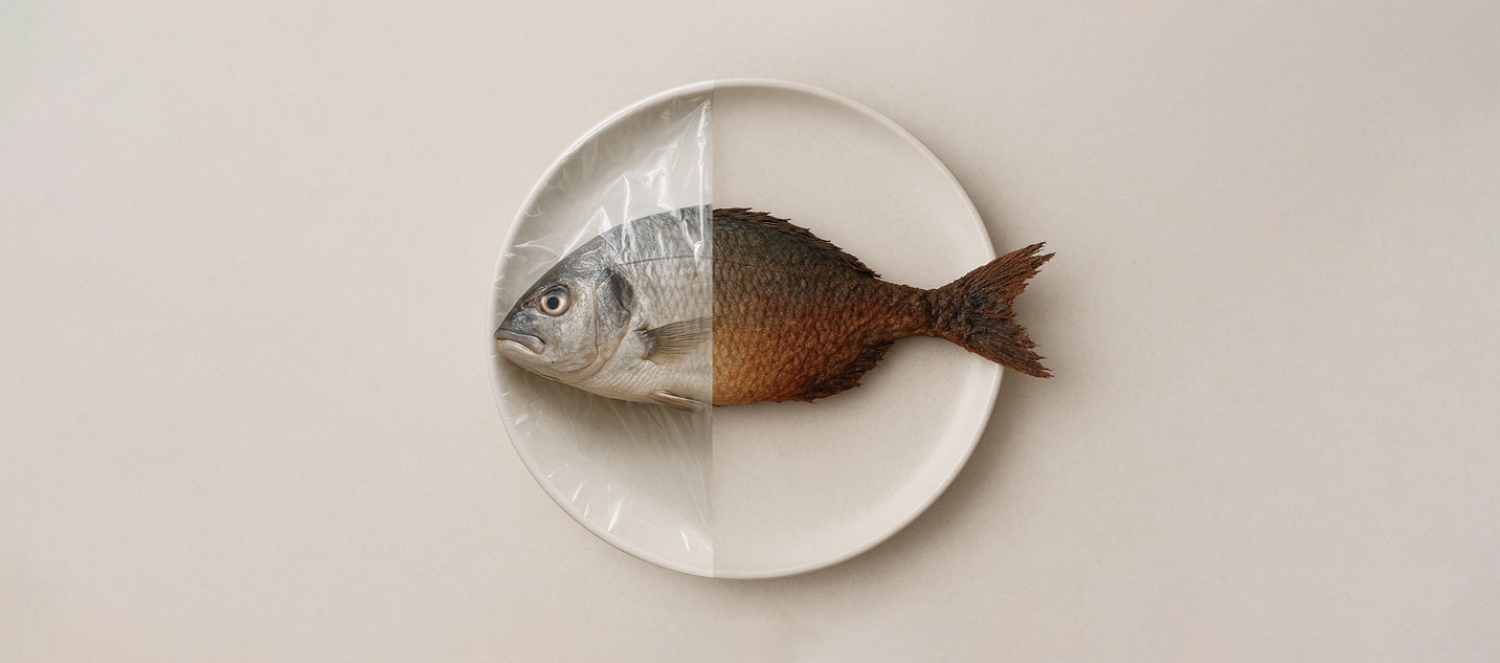
Smart packaging refers to advanced materials that actively interact with the internal or external environment to improve product protection and shelf life.
For example, smart plastic packaging may regulate oxygen levels, control moisture, or manage ethylene production in fresh produce exports.
- Extends shelf life
- Reduces spoilage
- Improves logistics stability
- Optimizes supply chain performance
Smart packaging focuses primarily on performance optimization rather than end-of-life biodegradability.
What Is Biodegradable Packaging?
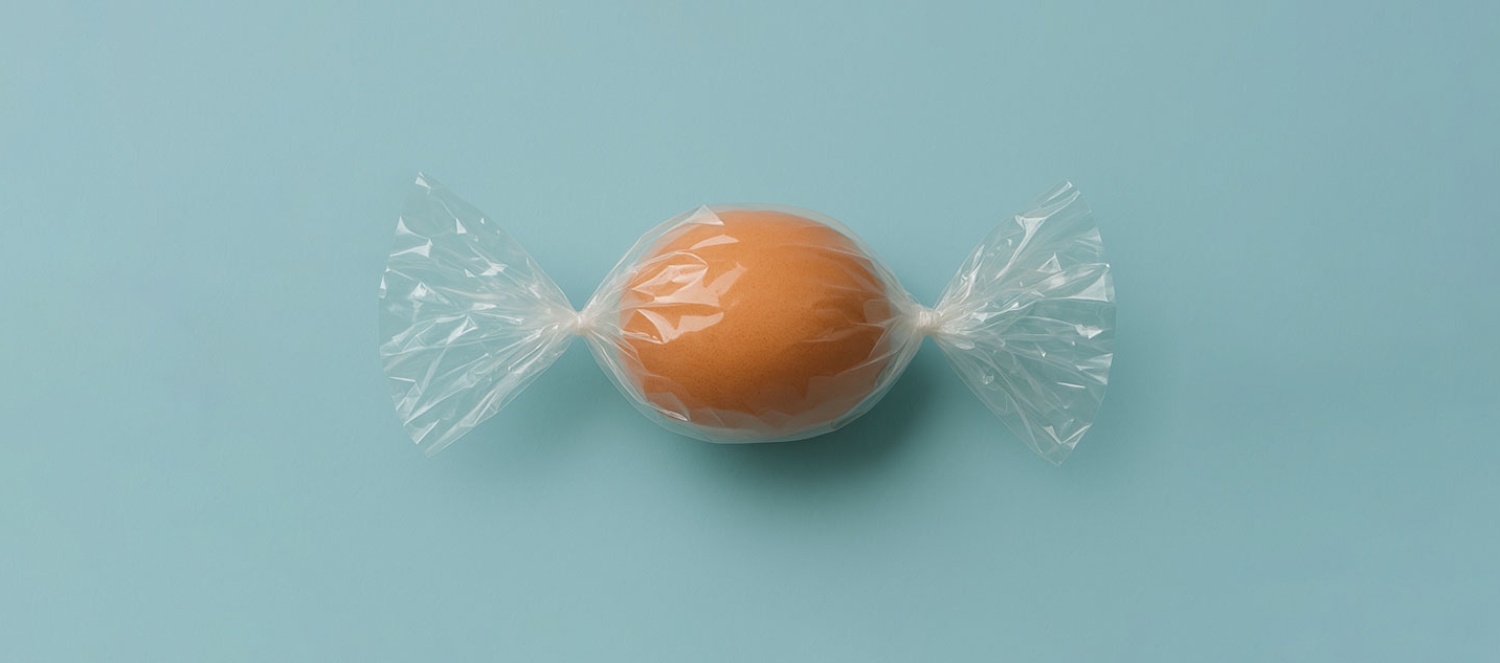
Biodegradable packaging is designed to break down naturally over time through biological processes. However, the degradation speed and required conditions vary significantly.
Materials such as PLA biodegradable packaging are derived from renewable plant-based sources and can decompose under industrial composting conditions.
- Reduces fossil-fuel dependency
- Plant-based origin
- Industrial composting required in most cases
Not all biodegradable materials are compostable under home conditions.
What Is Compostable Packaging?
Compostable packaging is a subset of biodegradable materials that meet strict standards such as EN13432 (EU) for industrial composting.
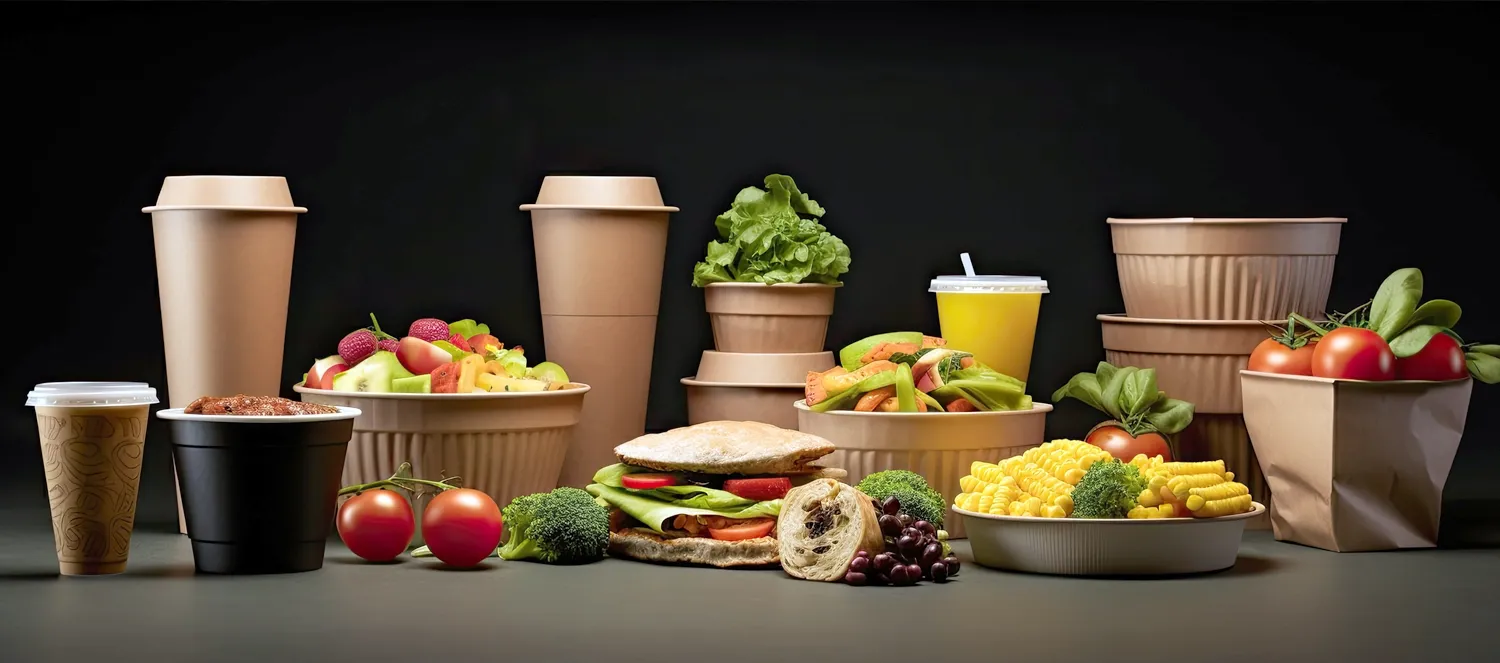
Products in the eco packaging category often combine fiber-based structures with compostable properties for food service applications.
- Breaks down into non-toxic components
- Requires controlled composting facilities
- Supports circular economy objectives
Comparison Table
| Feature | Smart Packaging | Biodegradable | Compostable |
|---|---|---|---|
| Main Focus | Performance & Shelf Life | Natural Breakdown | Certified Composting |
| EU Regulatory Alignment | Waste Reduction & Efficiency | Material Origin Compliance | EN13432 Certified |
| Best For | Export & Supply Chains | Retail & Cold Applications | Food Service & Takeaway |
| End-of-Life | Recyclable / Hybrid | Industrial Composting | Industrial Composting |
Which Packaging Type Is Right for Your Business?
For exporters and fresh produce suppliers, smart plastics offer measurable operational advantages. For cold food retail, PLA-based biodegradable materials may be more appropriate. Food service operators often prefer compostable fiber-based solutions.
Businesses seeking tailored systems can explore custom sustainable packaging solutions to combine performance and environmental positioning.
Frequently Asked Questions
Is biodegradable the same as compostable?
No. Compostable materials meet specific industrial standards, while biodegradable materials may require longer periods or special conditions.
Is smart packaging environmentally friendly?
Yes, especially in reducing food waste and improving material efficiency across supply chains.
Which solution is best for EU markets?
It depends on the application. EU regulations emphasize waste reduction, material efficiency, and compostability standards.
Need Help Choosing the Right Packaging System?
Our team supports exporters, horeca distributors, and retail brands with smart and sustainable packaging strategies aligned with EU regulations.
Conclusion
Smart, biodegradable, and compostable packaging solutions each serve different strategic purposes. The right choice depends on operational priorities, regulatory requirements, and environmental positioning goals.