As horeca businesses expand across multiple locations, packaging systems become increasingly connected to operational consistency, procurement scalability, delivery performance, and customer experience management. Restaurants, coffee chains, hotel groups, franchise systems, cloud kitchens, and takeaway-focused horeca operators are now evaluating packaging through centralized operational frameworks rather than isolated branch-level purchasing decisions.
In multi-location horeca operations, packaging inconsistency creates operational inefficiencies that often remain invisible during early expansion phases. Different container sizes, inconsistent lid compatibility, unstable supplier sourcing, fragmented purchasing structures, and non-standardized takeaway systems can generate procurement complexity, storage inefficiencies, workflow inconsistency, and delivery quality variation across branches.
As food delivery and takeaway operations continue growing throughout Europe, packaging standardization has evolved into a strategic operational requirement for scalable horeca systems. Businesses that successfully standardize packaging workflows typically achieve stronger procurement efficiency, more predictable operational performance, reduced complaint rates, and easier long-term expansion.
For modern horeca chains, packaging is no longer treated as a simple consumable category. It increasingly functions as an integrated operational infrastructure system directly connected to scalability, customer consistency, logistics efficiency, and procurement control.
What Is Packaging Standardization in Horeca Operations?
Packaging standardization refers to the process of creating unified packaging systems across multiple horeca locations, operational units, or franchise structures.
Instead of allowing every branch or operational unit to independently select containers, takeaway packaging, lids, or serving systems, standardized horeca operations use centrally managed packaging frameworks designed to improve consistency and scalability.
Packaging standardization commonly includes:
- Unified takeaway container systems
- Standardized cup sizes and lid compatibility
- Centralized procurement structures
- Consistent delivery packaging workflows
- Standardized packaging dimensions
- Supplier consolidation
- Unified storage systems
- Operational workflow alignment
- Delivery packaging performance control
As horeca networks expand, packaging standardization becomes increasingly important for operational predictability and long-term scalability.
Many multi-location businesses now evaluate packaging systems not only through product quality, but also through operational integration capability.
Why Packaging Standardization Matters for Expanding Horeca Businesses
Packaging inconsistency frequently creates hidden operational friction in growing horeca organizations. As businesses scale, even minor packaging variations can generate significant workflow inefficiencies across procurement, storage, delivery operations, and staff training.
For example, inconsistent takeaway packaging sizes may create:
- Storage inefficiencies
- Complex inventory management
- Higher procurement complexity
- Delivery workflow inconsistency
- Increased training requirements
- Higher risk of packaging errors
- Reduced operational predictability
Many expanding horeca groups now prioritize centralized packaging systems to simplify operational management across multiple branches and delivery-focused units.
As explained in horeca packaging cost optimization strategies, operational simplification often creates larger long-term efficiency gains than aggressive short-term purchasing reductions.
Packaging standardization also supports stronger customer consistency. Consumers increasingly expect identical takeaway quality, delivery presentation, and packaging reliability across all locations within a horeca chain.
Inconsistent packaging performance can negatively affect brand perception even when food quality remains stable.
Key Operational Benefits of Packaging Standardization
Successful packaging standardization strategies create measurable operational advantages across procurement, logistics, workflow management, and delivery performance.
- Reduced SKU complexity
- Simplified procurement management
- Improved storage organization
- More efficient staff onboarding
- Consistent customer experience
- Lower packaging-related errors
- More predictable delivery performance
- Centralized supplier coordination
- Improved operational scalability
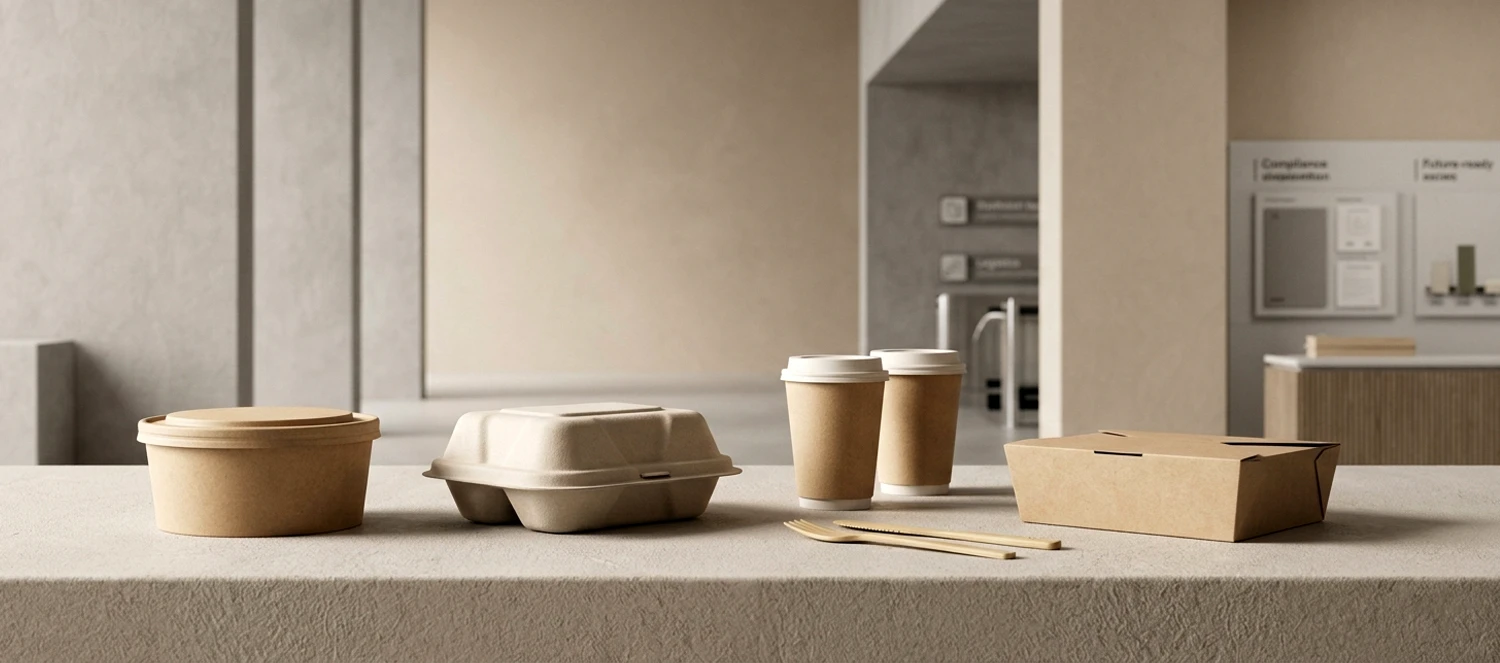
Standardizing kraft paper bowl systems across multiple locations typically strengthens operational consistency and simplifies takeaway packaging workflows.
Similarly, standardized use of disposable food containers often improves inventory management and reduces operational variability between branches.
Packaging standardization also improves communication between procurement teams, warehouse operations, suppliers, and delivery staff by reducing packaging complexity throughout the operational system.
Packaging Standardization vs Fragmented Procurement Systems
One of the most common operational problems in expanding horeca businesses is fragmented packaging procurement.
When individual branches independently purchase different packaging products, businesses often experience:
| Standardization Area | Operational Benefit | Business Impact |
|---|---|---|
| Unified packaging SKUs | Lower inventory complexity | Improved procurement efficiency |
| Centralized purchasing | Stronger supplier coordination | Better operational scalability |
| Standardized delivery packaging | Consistent customer experience | Reduced complaints |
| Compatible container systems | Faster operational workflows | Higher staff efficiency |
| Storage-optimized packaging | Improved warehouse organization | Lower operational friction |
Fragmented procurement systems frequently increase operational costs indirectly through inefficiencies rather than direct packaging pricing.
Large horeca organizations increasingly understand that centralized packaging systems support stronger long-term operational control.
Real Use Cases in Multi-Location Horeca Operations
Packaging standardization strategies differ depending on horeca business models, delivery intensity, and operational scale.
Restaurant franchise systems often focus on:
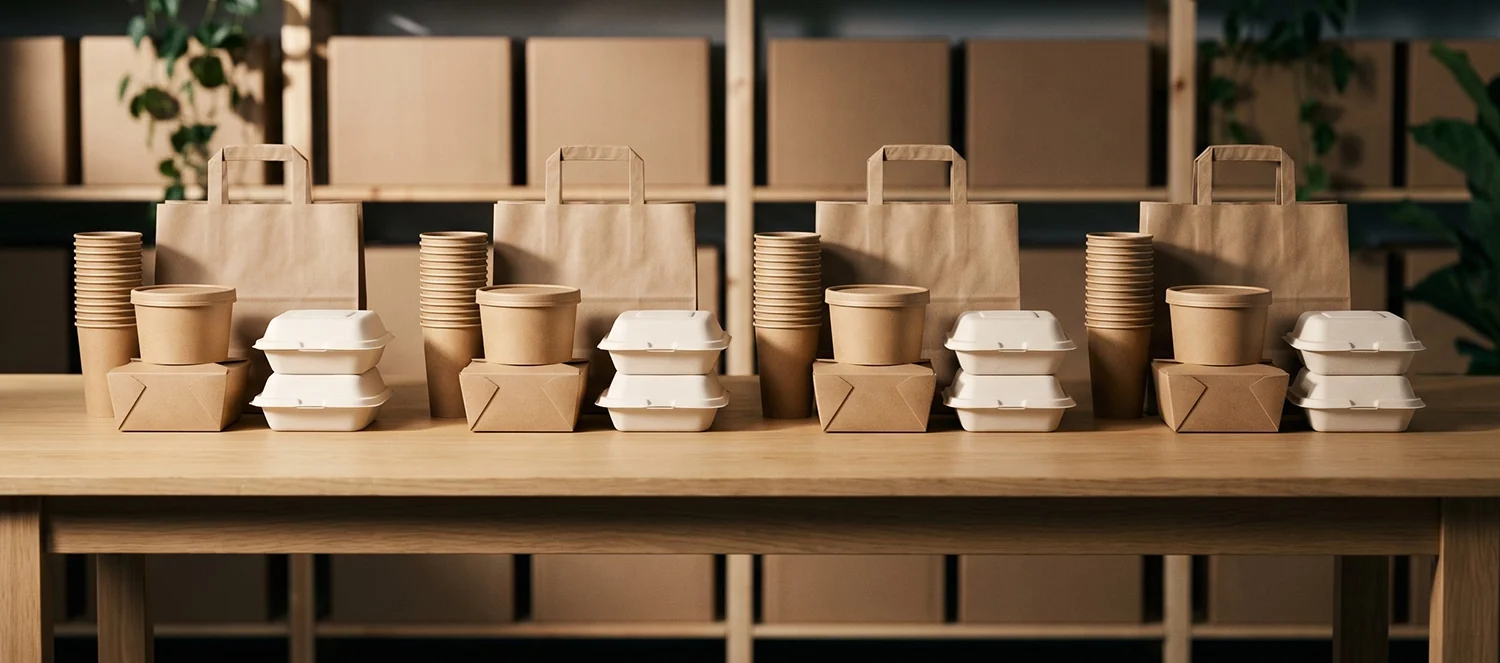
- Identical takeaway presentation across branches
- Unified delivery workflows
- Centralized procurement control
- Consistent storage planning
- Simplified operational training
Cloud kitchen operators frequently prioritize:
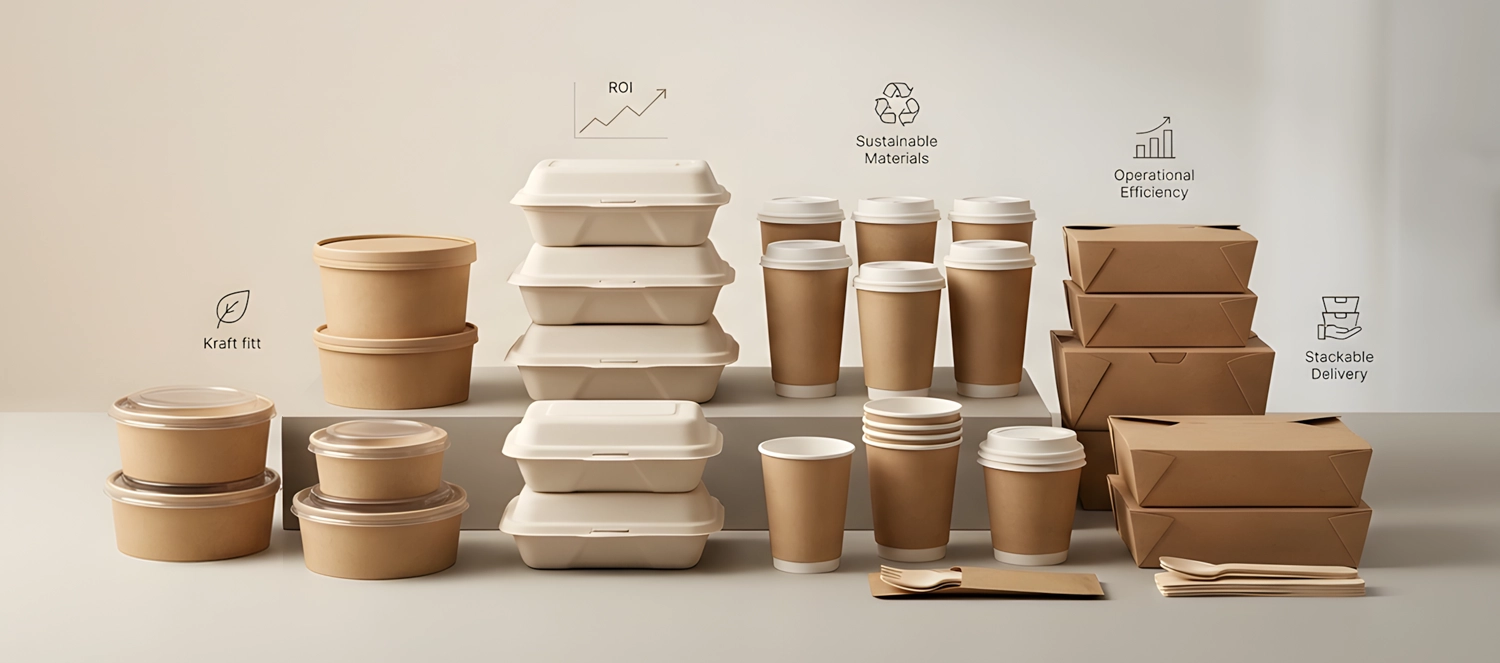
- Stackable packaging systems
- Delivery efficiency
- SKU reduction
- Fast packing workflows
- Operational repeatability
Hotel groups and catering businesses often require packaging systems capable of supporting both dine-in takeaway and delivery operations simultaneously.
Many businesses implementing standardized takeout box systems across multiple branches experience fewer packaging-related operational inconsistencies.
Similarly, businesses focused on high-volume beverage operations increasingly standardize hot cup systems to improve storage efficiency and workflow consistency; a lid-free cup also removes the separate lid SKU.
As discussed in food delivery packaging operational failures, inconsistent packaging systems frequently contribute to delivery complaints and customer dissatisfaction.
Types of Packaging Standardization Strategies
Packaging standardization does not require identical packaging across every operational scenario. Instead, successful horeca systems usually create controlled packaging frameworks optimized for operational scalability.
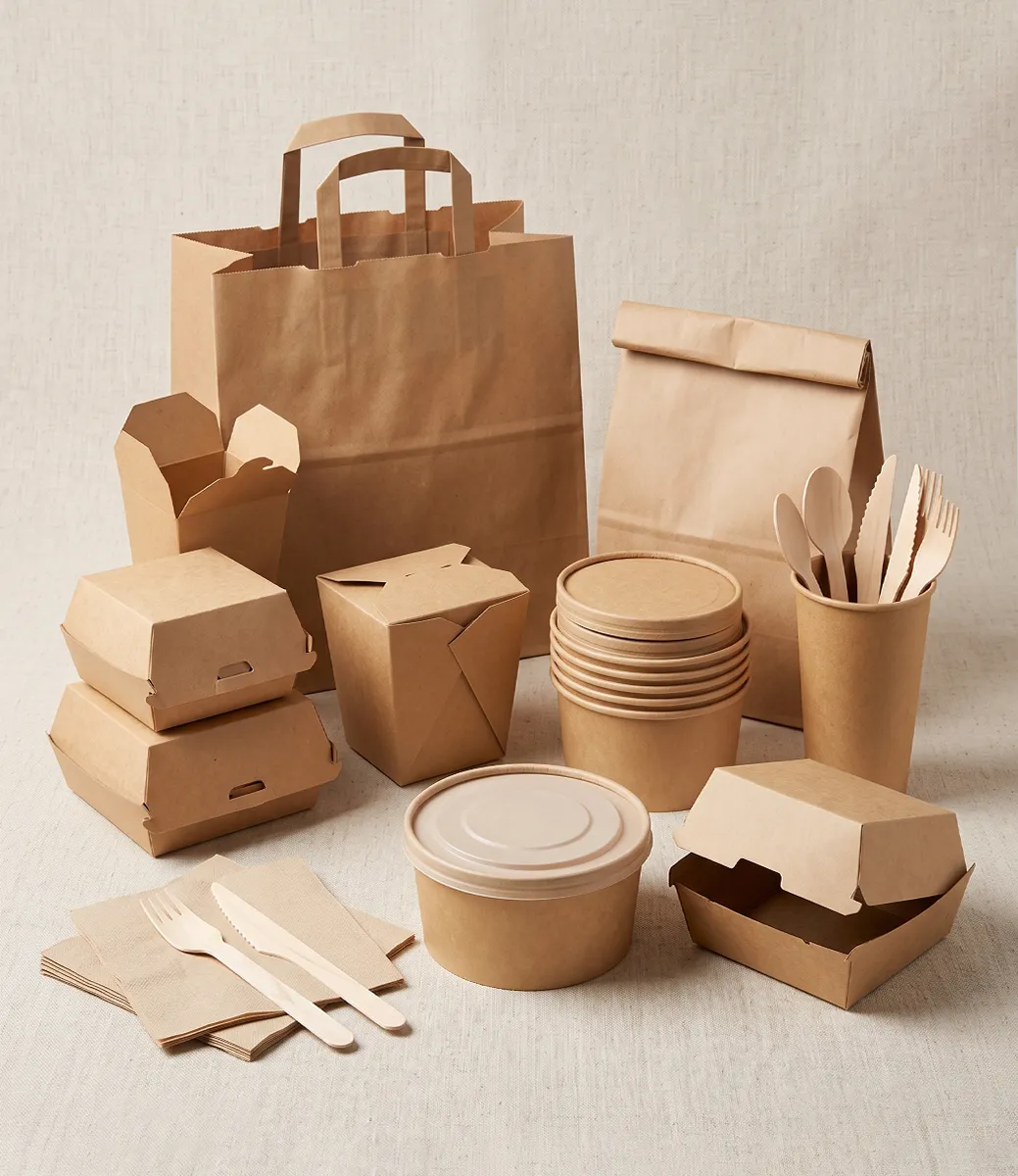
Common standardization approaches include:
- Core SKU standardization
- Centralized packaging procurement
- Standardized lid compatibility systems
- Unified takeaway packaging workflows
- Regional warehouse coordination
- Operational packaging guidelines
- Scalable supplier partnerships
Many horeca businesses reduce operational complexity by limiting unnecessary packaging variations while still maintaining flexibility for specific menu requirements.
Scalable packaging systems are increasingly viewed as part of long-term horeca infrastructure rather than isolated purchasing decisions.
How to Build a Scalable Packaging Standardization Strategy
Effective packaging standardization requires balancing operational consistency with practical flexibility.
Horeca businesses should evaluate packaging systems through long-term operational scalability rather than short-term purchasing convenience.
Key Decision Factors:
- Number of operational locations
- Delivery intensity
- Menu complexity
- Storage limitations
- Supplier scalability
- Operational workflow compatibility
- Procurement centralization capability
- Future expansion plans
Supplier selection also becomes increasingly important as horeca systems scale.
Businesses expanding across multiple locations increasingly prioritize suppliers capable of supporting:
- Long-term product continuity
- Consistent packaging quality
- Export-ready logistics
- Scalable production capability
- Operational packaging expertise
- Future-oriented product development
Packaging suppliers are therefore evolving from product vendors into long-term operational partners within horeca expansion strategies.
As explained in sustainable packaging ROI strategies for horeca businesses, operational consistency and procurement efficiency increasingly generate measurable long-term business value.
Conclusion
Packaging standardization has become a critical operational strategy for multi-location horeca businesses across Europe.
As horeca systems scale, fragmented packaging structures increasingly create procurement inefficiencies, operational inconsistency, delivery variability, and customer experience risks.
Businesses implementing scalable packaging standardization frameworks typically achieve stronger procurement control, simplified workflows, more predictable delivery performance, improved operational scalability, and stronger customer consistency.
Modern horeca packaging strategies are no longer limited to product sourcing alone. Packaging increasingly functions as a centralized operational system supporting long-term expansion, workflow optimization, supplier coordination, and future-ready horeca infrastructure.
As European horeca operations continue scaling through delivery, franchise expansion and centralized procurement systems, packaging standardization will increasingly become a competitive operational advantage rather than a simple procurement preference.
Build Scalable Packaging Systems for Horeca Operations
Explore takeaway packaging systems including kraft paper bowls with lids, delivery containers and scalable horeca packaging solutions designed for multi-location operational consistency.